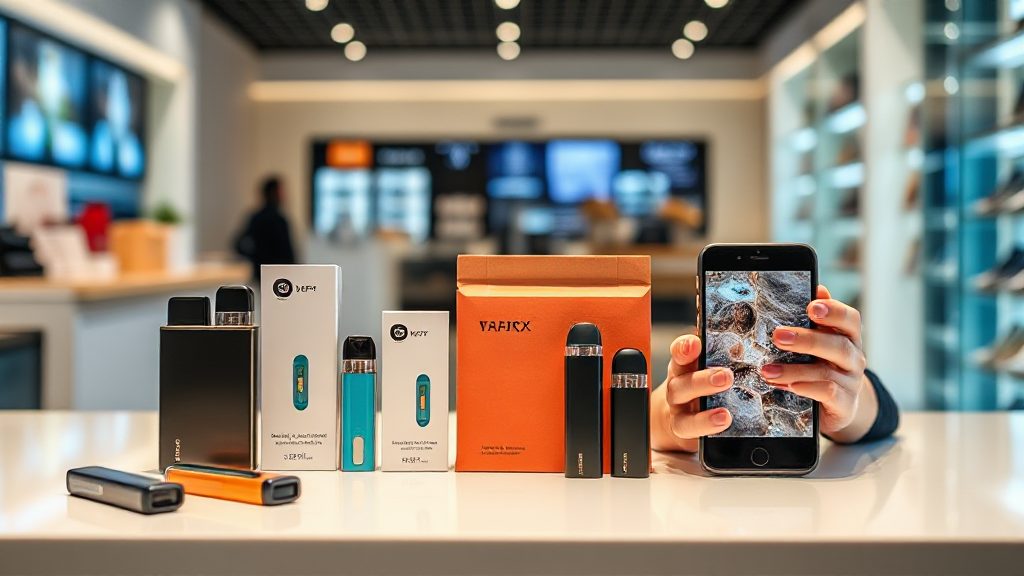
Towers, Walk-Ups and Lanes: The Physical Geography of Vape Delivery
Delivering a parcel to a low-rise lane in Joo Chiat and delivering the same parcel to the 32nd floor of a Punggol tower are not the same job. One handover may take ninety seconds; the other can consume twenty minutes of a courier’s route before the next stop is even attempted. That difference is why the physical geography of a dense city matters so much when you order sg vape lana products for same-day arrival. The building you live in shapes the route, the timing and sometimes whether a handover happens at all.
Singapore packs its population into a small footprint, and that density creates a patchwork of building types within a few kilometres of each other. A courier’s day is a sequence of small logistical puzzles: which lift lobby, which gantry, which guardhouse, which staircase. Understanding those puzzles from the recipient’s side makes delivery faster and far less frustrating for everyone involved.
The High-Rise Tower: Lifts, Lobbies and Access Control
A modern condominium tower is the most structured delivery environment in the city, and also the most time-consuming. The courier must usually pass a guardhouse, register at a visitor counter, find the correct block, wait for a lift that may stop at a dozen floors, and then locate a unit whose numbering follows a logic only the residents understand. Multiply that by three deliveries in the same development and the route schedule starts to bend.
Access control is the hidden variable. Some towers allow couriers to the lift lobby; others insist on a lobby drop or a parcel locker. A building with a concierge who accepts items on residents’ behalf is dramatically faster than one where the courier must call up and wait for someone to come down. This is why a Singapore vape delivery that works smoothly in one condominium may feel slow in another a street away.
What helps in a tower
- Give the block and unit number in the order notes, not just the street address.
- State whether the courier should call, message, or leave the parcel with the guard.
- If your development has a locker system, say so; it removes the lift wait entirely.
Couriers who regularly serve a development learn its rhythms, but a first-time visit to an unfamiliar tower is always slower. Expecting a fifteen-minute window in a large condominium is optimistic; a broader window is more realistic.
Walk-Up Flats and Shophouses: The Staircase Factor
Older walk-up estates present the opposite problem. There is no guardhouse and no lift, but there are stairs, and the number of flights matters enormously. A fourth-floor walk-up in a low-rise block is a physical cost that a courier pays on every visit, and repeated climbs across a route add up. Shophouses add another wrinkle: the unit may be accessed from a side lane, a rear staircase, or a door that faces a different street from the address on the order.
These buildings are often charming and central, but they demand clearer instructions than a tower. The sg vape delivery process in a shophouse works best when the recipient describes the entrance rather than relying on the postal address alone. A note like “side door on the lane, second floor” saves several minutes of searching.
What helps in a walk-up
- Mention the floor level so the courier can plan the climb.
- Describe the entrance if it is not on the main road.
- Be ready to meet at the staircase landing if the unit is hard to find.
Walk-ups also tend to have less secure drop-off options. Without a guard or locker, a handover usually requires someone to be present, which means timing matters more than in a tower where a concierge can hold the parcel.
Lanes, Landed Streets and the Search Problem
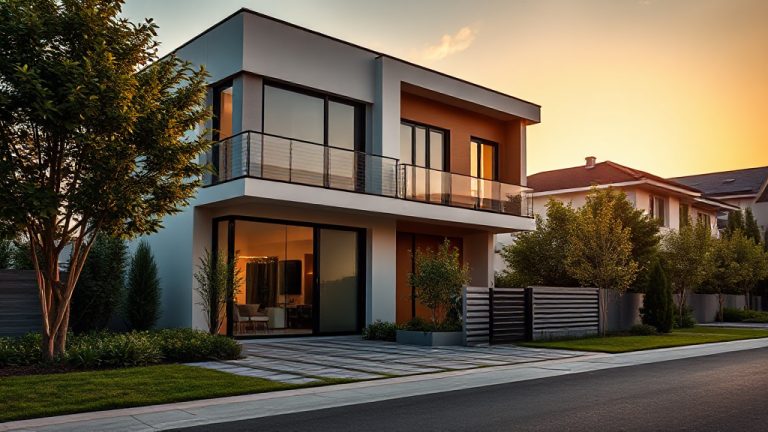
Landed housing looks easier on paper and is often harder in practice. A street of semi-detached houses may have long driveways, gates set back from the road, and house numbers that are not visible from a moving vehicle. Couriers spend real time circling a landed lane looking for a specific gate, especially after dark or in heavy rain. Some lanes are one-way or dead-end, which forces a route to be planned around the turn rather than through it.
Industrial and mixed-use buildings bring their own geography. A flatted factory may have multiple lift cores, loading bays and unit numbers that repeat across blocks. A courier delivering to such a building needs the block and unit in advance; otherwise the visit becomes a tour of the premises. This is the kind of friction that a SG Vape same day delivery service tries to absorb through route planning, but clear recipient notes still do most of the work.
The dense city compresses all of these types into a short drive. A courier might leave a Punggol tower, cross to a Serangoon walk-up, and finish in a landed lane in Hougang within the same hour. Each stop has a different physical grammar, and the route only works if the courier can switch between them quickly.
Why Handover Method Changes the Route
The way a parcel changes hands is as important as the building itself. A face-to-face handover at a door is the slowest option because it depends on the recipient being home and responsive. A concierge or guard drop is faster but depends on building policy. A locker is fastest of all but only exists in some developments. Couriers plan their sequence around these methods, grouping locker-friendly stops together and leaving door-knock stops for the parts of the day when people are likely to be in.
Discreet packaging also plays a role in the physical handover. A plain parcel is easier to leave with a guard or neighbour without drawing attention, which broadens the options available at a tower or a walk-up. This is one reason a sg vape lana order often arrives in packaging that gives nothing away; it makes the logistics smoother at every building type.
Timing follows the same logic. Midday deliveries to residential towers often fail because residents are at work, while evening deliveries to landed lanes can fail because gates are locked. A recipient who knows their building’s weak point can compensate with instructions: leave with the guard, use the locker, call on arrival.
Preparing Your Address for a Realistic Handover
The most useful thing a recipient can do is write the order notes as if describing the route to a stranger. Building type, block, floor, lift lobby, entrance, and the preferred handover method all belong in the notes. A courier reading “Tower B, lift lobby 2, unit 14-03, call on arrival, guard will accept if no answer” can complete the stop in a fraction of the time it takes to guess.
It also helps to understand what the courier is optimising for. Same-day routes are built around realistic windows, not instant arrival, and a lana vape delivery that arrives within the promised window in a difficult building is a success, not a delay. Expecting a precise minute in a 30-storey tower is a recipe for disappointment; expecting a sensible window is not.
Finally, choose the handover method that fits your building rather than fighting it. If you live in a tower with a concierge, use it. If you live in a walk-up, be ready to meet at the landing. If you live in a landed lane, make the gate visible or describe the house number clearly. The physical geography of the city will not change, but a well-prepared address turns a difficult stop into a routine one.
For adult users comparing authentic disposable and pod options before ordering, the practical rule is simple: pick the product, then describe the building. A vape supplier singapore that knows the city’s building types can plan the route, but only the recipient knows which lift lobby, staircase or gate the courier will actually face.
Density is the constant. Towers, walk-ups and lanes each impose their own cost on a delivery, and the courier’s schedule is the sum of those costs. Recipients who treat the address as part of the order, not an afterthought, get the smoothest handover the city’s geography allows. If you are restocking, a Sg vape disposable order placed with clear building notes is the most reliable way to make same-day delivery work in a dense city.
About the Author