How to Handle a Clogged Drain in São Miguel Paulista: First-Timer’s Walkthrough
It’s 7 p.m. on a Tuesday, and the kitchen sink in your São Miguel Paulista apartment has been draining slower and slower for days. Now it won’t drain at all, and you’re standing there with a plunger in one hand and your phone in the other, wondering whether to keep trying or call someone. The short answer: if water backs up into more than one fixture or you smell sewage, stop plunging and call a desentupidora São Miguel Paulista right away. If it’s just one slow drain, you can try a few safe steps first—this walkthrough covers exactly that decision and what comes after.
First, Figure Out What Kind of Clog You’re Dealing With
Not all clogs are the same, and the right first move depends on where the water is misbehaving. A single slow sink usually means grease, soap scum, or hair has built up in the trap or the branch line. Multiple drains backing up at once—say, the shower and the toilet—points to a blockage in the main line, which is a different job entirely.
Before you touch anything, walk around and check every drain in the home. Flush the toilet once, run the bathroom sink for a minute, and watch the kitchen drain. If water rises in one place while you’re using another, the problem is downstream and bigger than a simple trap clog.
Signs You Should Not Try to Fix It Yourself
- Sewage smell coming from more than one drain
- Water backing up into the shower when you flush the toilet
- Gurgling sounds from drains you aren’t using
- Standing water that won’t go down after 10 minutes of plunging
Any of these means you’re dealing with a main-line or sewer issue, and repeated plunging can push waste further into the system or damage older pipes. That’s the point to stop and call a professional.
Safe DIY Steps to Try Before Calling Anyone
If you’ve confirmed it’s a single-fixture clog, you can try a few things without risking your pipes. Start with the simplest tool: a cup plunger (the rubber kind with a flat bottom) works better than a bellows plunger for sinks. Seal the overflow hole with a wet rag, then plunge firmly for 15–20 seconds at a time.
If plunging doesn’t work, remove the P-trap under the sink—place a bucket underneath first—and clean out the debris by hand or with a small brush. Many kitchen clogs live right there in the trap. For bathroom drains, a plastic drain snake (available at any hardware store in the neighborhood) can pull out hair clogs without chemicals.
What Not to Do
Avoid pouring chemical drain cleaners down the drain if you’ve already tried plunging. Mixing chemical cleaners with a plunger can splash caustic liquid back at you, and repeated use damages older PVC and metal pipes. Also, never use a metal coat hanger as a snake—it can scratch the inside of the pipe and create a spot where future clogs form faster.
When to Call a Desentupidora in São Miguel Paulista
You’ve tried the plunger, cleaned the trap, and the water still won’t move. At that point, it’s time to bring in a desentupidora São Miguel Paulista São Paulo SP. A professional team arrives with the right equipment—motorized snakes, hydrojetting machines, and inspection cameras—that you simply can’t replicate with a hand snake from the hardware store.
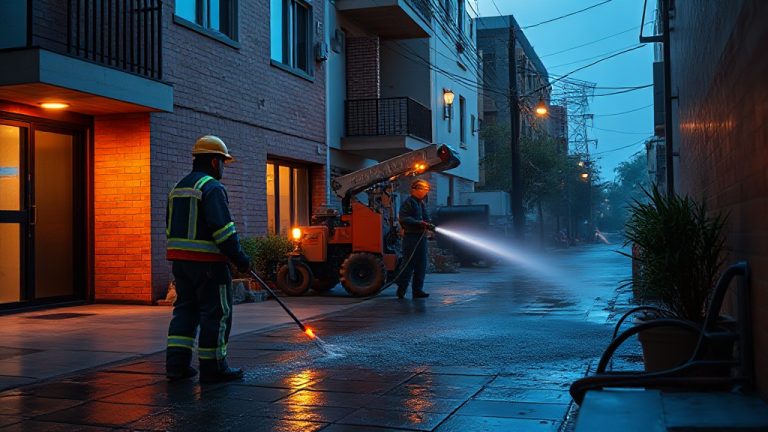
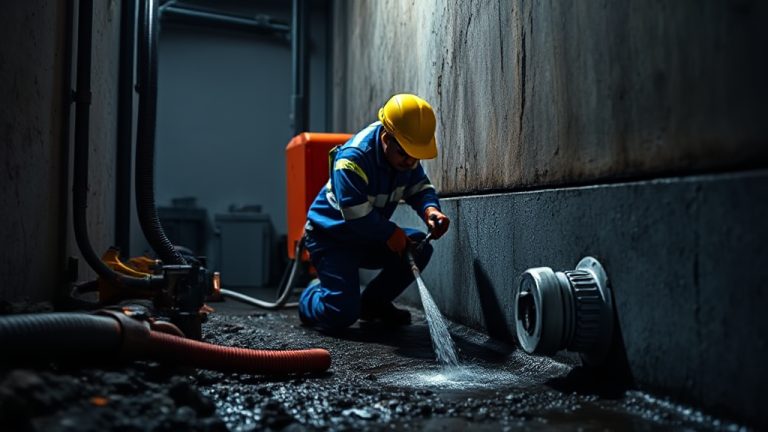
Hydrojetting, for example, uses high-pressure water to scour the inside of the pipe, removing grease and scale that a snake just pokes through. For main-line clogs, that’s often the only way to actually clear the blockage instead of just punching a hole in it. A camera inspection also tells you whether the pipe is cracked, root-invaded, or just full of buildup—information that prevents the same clog from returning next month.
If you live in a condo, call your síndico or building manager first. Many buildings have a preferred desentupidora em São Miguel Paulista São Paulo SP on call, and using the building’s contact can save you money and avoid liability issues if the clog is in a shared line.
What to Expect During the Service Visit
A typical emergency call starts with a phone conversation where you describe the symptoms—where the water backs up, how long it’s been happening, and whether there’s a smell. The technician uses that to guess the likely cause and bring the right tools. When they arrive, they’ll usually inspect the drain first, then explain the plan before starting.
For a simple sink clog, the job can take 30–45 minutes. For a main-line blockage or a sewer backup, expect a longer visit—sometimes a couple of hours if hydrojetting or camera inspection is needed. Ask upfront whether the price includes the inspection and any follow-up visit, because some companies charge separately for the camera work.
Questions to Ask Before They Start
- Is the price fixed, or does it depend on what you find?
- Do you provide a written receipt and a service guarantee?
- Will you show me the camera footage if you use one?
- Is there a call-out fee, and does it apply on weekends or at night?
Getting these answers before the work begins keeps the bill predictable and gives you a paper trail if something goes wrong later.
Preventing the Next Clog
Most repeat clogs come down to habits. In the kitchen, never pour grease or oil down the sink—wipe pans with a paper towel and throw it in the trash instead. Use a mesh strainer in the sink to catch food scraps, and run hot water for 30 seconds after each dishwashing session to keep soap and grease moving.
In the bathroom, a hair catcher in the shower drain is the single cheapest preventive tool you can buy. For toilets, the rule is simple: only human waste and toilet paper go in. Flushable wipes, even the ones labeled “flushable,” are a leading cause of clogs in older buildings because they don’t break down fast enough.
If you live in an older home in São Miguel Paulista—many buildings in the area date back decades—consider a preventive hydrojetting service every year or two. It removes the buildup before it becomes a blockage, and it’s far cheaper than an emergency call at midnight.
Costs and Trade-Offs: DIY vs. Professional
A plunger costs almost nothing, and a hand snake runs maybe 50–100 reais. But those tools only solve surface clogs. A professional desentupidora charges more—typically a few hundred reais for a standard call—but includes equipment, expertise, and often a guarantee. The trade-off is clear: DIY is cheaper if it works, but if you’ve already spent two hours and the drain is still backed up, you’ve wasted time and still need to call someone.
| Approach | Best For | Limitations |
|---|---|---|
| Plunger / hand snake | Single slow drain, hair or food clog | Won’t clear main-line or grease-heavy blockages |
| Chemical cleaner | Light soap scum buildup | Damages pipes, dangerous with plunging |
| Professional desentupidora | Main-line clogs, sewage backups, recurring problems | Higher upfront cost |
The real cost of waiting is often higher than the service fee—a small clog that sits for a week can turn into a sewage backup that damages flooring and walls.
Emergency Situations: What Counts and Who to Call
An emergency is any situation where water is actively overflowing, sewage is backing up into living spaces, or you have no working drains at all. In those cases, don’t wait until morning. A 24-hour service like Desentupidora Suprema exists precisely for these moments—they answer the phone at night and on weekends, and they can usually arrive within a reasonable window.
Before they arrive, shut off the water supply to the affected fixtures if you can. If sewage is backing up, keep children and pets away from the area and open windows for ventilation. Don’t run any water in the house—that just adds to the backup.
Frequently Asked Questions
How quickly can a desentupidora arrive in São Miguel Paulista?
Response times vary by company and time of day, but emergency services typically aim to arrive within 30–60 minutes in urban areas like São Miguel Paulista. When you call, ask for an estimated arrival window and confirm whether there’s an extra fee for nighttime or weekend calls.
Can I use a chemical drain cleaner if I have PVC pipes?
It’s not recommended. Chemical cleaners generate heat and can soften or damage PVC joints over time, especially in older installations. Mechanical methods—plunging, snaking, or professional hydrojetting—are safer for the pipe and more effective on stubborn clogs.
What should I do if the clog keeps coming back?
Recurring clogs usually mean there’s a deeper issue: grease buildup, root intrusion, or a sagging pipe section. A camera inspection will show what’s happening inside the line. Once the cause is identified, the fix might be as simple as a thorough hydrojetting or as involved as pipe repair—but guessing and plunging repeatedly won’t solve it.
About the Author