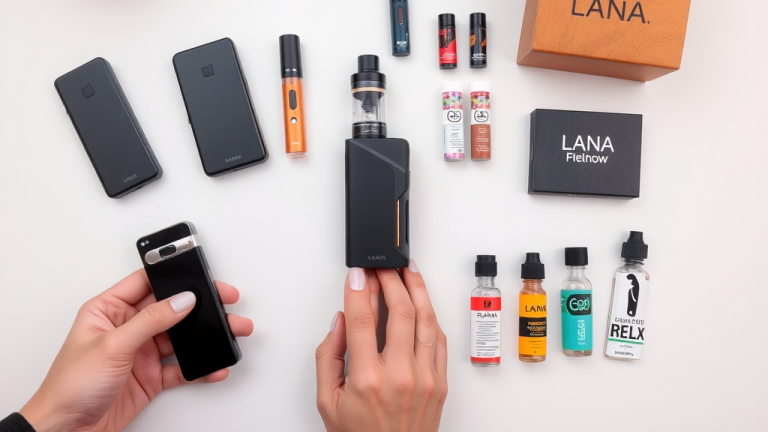
Reading the Signals: How to Spot a Reliable Local Vape Retailer in Singapore
Most bad vape buying experiences do not begin with an obvious scam. They begin with a seller who looked perfectly fine at a glance. The website loaded, the product photos were sharp, the prices seemed reasonable, and the checkout button worked. The disappointment only arrives later: a parcel that never shows up, a device that dies in two days, a pod that tastes nothing like the flavour on the label, or a support channel that goes quiet the moment you ask a question. That is why learning to read the signals of a reliable local retailer matters more than chasing the lowest listed price. When you are buying something you inhale, the seller behind the listing is part of the product.
This guide walks through the observable signals you can check before you commit your money. None of them require special access or insider knowledge. They are the same things a cautious adult buyer should look at the first time they consider any new seller, and they separate a genuine local operation from a thin reseller who is simply passing your order to someone else. If you want a working example to compare against, a service like Vape delivery sg shows what a properly built local storefront looks like in practice.
Signal One: Local Stock Is Claimed and Demonstrated
The single most telling signal is whether the seller actually holds stock in Singapore or merely claims to. Thin resellers often run on a drop-ship model: they list products they do not own, take your payment, then scramble to source the item after the fact. That model works fine for phone cases. It works badly for vape devices, because it introduces delays, substitutions and a total loss of quality control.
How do you read this signal? Look for language that is specific rather than vague. A genuine local seller talks about ready stock, same-day dispatch cut-off times, and what happens if an item is out of stock. A thin reseller talks in generalities like “fast shipping” without ever committing to a timeline. If the storefront shows inventory counts, restock notices, or a clear statement that orders placed before a certain hour go out the same day, that is a strong positive signal. If the only promise is “we will ship as soon as possible,” treat it as a warning.
You can also test this indirectly. Ask a specific question about availability before ordering. A seller with real local stock can answer immediately and accurately. A reseller usually has to check, delay, or give a vague reply. The difference in response quality is often the clearest evidence you will get.
Signal Two: The Product Catalogue Is Coherent, Not Random
A reliable retailer tends to have a focused catalogue. They carry brands they can source consistently, and they know those products well enough to describe them accurately. A thin reseller often lists everything under the sun, including products from brands that do not officially exist, copied descriptions with mismatched specifications, and photos that clearly belong to a different device.
Read the listings carefully. Do the puff counts, battery capacities and flavour names line up with what the manufacturer actually publishes? Are the model names consistent across the page, or does the same product appear under three different spellings? Do the images look like original product photography, or like screenshots pulled from a marketplace? Small inconsistencies add up. One typo means nothing. A catalogue full of mismatched specs suggests nobody is actually checking what they sell.
This matters because counterfeit and mislabelled disposables are a real problem in the region. A seller who cannot describe a device accurately almost certainly cannot verify where it came from. A seller who stocks recognisable, well-documented lines and describes them precisely is far more likely to be handling authentic goods.
Signal Three: Delivery Promises Are Specific and Testable
Delivery is where vague sellers expose themselves fastest. “Fast delivery” is not a promise. “Same-day delivery within Singapore for orders placed before 6pm” is a promise, because it can be checked and it can be broken. Reliable retailers make promises that can be tested, and they usually explain what happens when something goes wrong.
When you evaluate a new seller, look for the operational details that a real delivery business has to think about. What are the cut-off times? Which areas are covered? Is there a tracking method, or at least a confirmation message with an estimated window? What is the process if the courier cannot reach you? A seller who has answered these questions on their site has almost certainly answered them internally too. A seller who has not thought about them is likely improvising every order.
This is also where the difference between a genuine local operation and a reseller becomes obvious. A local seller controls the last mile or works with a consistent courier partner. A reseller is at the mercy of whoever they managed to source from that day. If you want to see how a mature local delivery promise is structured, including same-day options, Lana vape same day delivery is a useful reference point for what the operational details should look like.
Signal Four: Packaging and Privacy Are Treated as a Feature
Discreet packaging is not a gimmick. For many adult buyers in Singapore, it is a genuine requirement, and a seller who understands their customers will treat it as a standard part of the service rather than an optional extra. The signal to read here is whether the seller talks about packaging at all, and how specifically.
A reliable retailer will typically state that parcels are plain, that the contents are not described on the outside, and that no branding gives away what is inside. They may also explain how the device is protected in transit. A thin reseller either says nothing about packaging or copies a generic line from another site. The absence of this detail is informative: it suggests the seller has never thought about the customer’s actual situation.
Privacy also extends to the order process. Does the seller ask for more personal information than a delivery actually requires? Is the checkout page secure and clearly operated by the same business? These are small signals, but they reflect whether the operator treats customer data as something to protect or something to collect.
Signal Five: Support Channels Are Real and Responsive
Before you buy, send a message. This is the simplest test available and it costs you nothing. Ask something specific: whether a particular flavour is in stock, how long delivery usually takes to your area, or what the returns position is on a faulty device. The speed and quality of the reply tells you a great deal about what happens after you pay.
A reliable local retailer typically responds through a clear, monitored channel, answers the actual question, and does not pressure you. A thin reseller often replies slowly, answers a different question, or pushes you toward an immediate purchase with urgency tactics. Pressure is a signal in itself. Genuine sellers with real stock do not need to manufacture scarcity.
Pay attention to how they handle a question they cannot answer well. A good seller will say they need to check and then come back with a real answer. A poor one will guess, deflect, or go silent. That behaviour is what you will experience if something goes wrong with your order.
Signal Six: Authenticity and After-Sale Position Are Stated Clearly
The final signal is whether the seller is willing to stand behind what they sell. Authenticity claims should be specific and consistent: where the stock comes from, which brands are carried, and what the seller does if a device fails early. A reliable retailer will usually have a clear position on faulty items, even if that position is limited.
Be cautious with sellers who make absolute promises about authenticity but never explain their sourcing, and equally cautious with sellers who have no after-sale position at all. The middle ground is where trustworthy businesses sit: they describe what they carry, they are honest about the limits of what they can guarantee, and they tell you what to do if something goes wrong.
It also helps to look at how long the seller has been operating and whether their presence is consistent across their own channels. A storefront that appears overnight with no history, no coherent catalogue and no support presence is a risk regardless of how good the prices look. A storefront that behaves like an established local business, with real stock, clear delivery terms and responsive support, is the one worth your trust. If you want to compare your shortlist against a retailer that demonstrates all six signals, Singapore lana vape and lana vape sg are worth reviewing side by side with any other option you are considering.
None of these signals is conclusive on its own. A single typo does not condemn a seller, and a polished website does not guarantee good service. But when you read them together, they form a pattern. Sellers who hold real local stock, describe their products accurately, make testable delivery promises, protect your privacy, respond to questions properly and stand behind their goods tend to be the same sellers who get it right when something goes wrong. Sellers who are vague on all six are usually vague for a reason.
For a first-time buyer, the practical takeaway is simple: slow down for ten minutes before you pay. Check the stock claims, read the listings, test the support channel, and look for the operational details that only a real local business bothers to publish. That short pause is the cheapest insurance available, and it is usually enough to tell the difference between a retailer you can order from again and a reseller you will never hear from again. If you would rather start from a storefront that already shows the signals described here, Singapore vape delivery and Sg vape shop delivery are useful references to measure other sellers against.
About the Author